A phone can hold thousands of pictures without containing anything that feels like a collection. There are useful screenshots, nearly identical views, hurried pictures of meals, and one unexpectedly lovely patch of light. Everything is present, but little has been chosen. Looking for a particular memory can feel like searching a drawer that has never been emptied.
A small photo collection changes the task from keeping everything to selecting a few things that belong together. You do not need to sort the entire archive. Start with a limited group and make something you can comfortably look through. Twelve pictures from ordinary life may be more satisfying to revisit than several hundred arranged only by the date they were taken.
Pick a subject narrow enough to finish
Choose a theme that already exists in your pictures. It might be windows, things seen on walks, meals shared at a particular table, or details from one season. A narrow subject makes choices easier because you can ask whether a picture belongs, rather than whether it is one of the best pictures you have ever taken.
A time boundary works too. Use the photographs from one afternoon, one short trip, or one month. Avoid beginning with “my whole life so far” unless the size of that project is what appeals to you. A first collection should be possible to finish with the material and time you currently have.
Name a temporary folder or album after the theme. Put possible pictures there without deleting the originals. This separates selection from irreversible decisions. You can be decisive about the collection while remaining cautious about the archive. A photograph can fail to suit this group and still be worth keeping elsewhere.
Make a generous first selection
Choose more images than you expect to use, but keep the group manageable. Include the obvious favorite and a few quieter photographs. A close detail, an empty space, or an imperfect frame may become useful when placed beside something more striking. At this stage, you are gathering options rather than assigning awards.
Look for duplicates in meaning as well as appearance. Three photographs of the same doorway may offer only one distinct idea, even if each has slightly different light. Keep the one that best expresses what interested you. If two truly do different work, such as showing the same place before and after rain, they may deserve to stay together.
Notice which pictures need an explanation you cannot recover. An obscure blurry shape may be a precious private reminder, but it may not help a collection intended for someone else. Decide whom the collection is for. Your own album can rely on personal associations; a shared sequence may need clearer images or short captions.
Arrange a beginning, a middle, and an ending
Lay the selected images out where you can see several at once, using thumbnails or temporary prints. Try beginning with a picture that establishes the subject. Follow it with a closer view, then something that offers contrast. The sequence can move between wide and narrow, busy and quiet, bright and subdued.
Chronological order is useful when the passage of time matters, but it is not compulsory. A collection of shadows might work better by shape. A series of rooms could move through colors. A group of meals might begin with preparation and end with an empty table even if the images come from different days. Make the organizing idea clear to yourself.
Pay particular attention to the last image. It can echo the first, widen the view, or leave a detail unresolved. You are not writing a plot with a required lesson. You are deciding what the viewer sees before putting the collection down. A quieter photograph sometimes works well here because it gives the sequence room to stop.
Edit for consistency without disguising the pictures
Straighten a frame if the tilt distracts from what you wanted to show. Crop out an accidental edge when doing so improves the composition. Adjust brightness modestly if useful. There is no need to apply a dramatic filter to every photograph so the group looks coordinated. Subject, sequence, and scale can provide their own coherence.
Keep original files separately from edited copies when possible. That gives you a way back if a crop feels too tight later. Exact steps depend on the tool you use, so check its current saving behavior before assuming an original is preserved. A small collection should not require gambling with the only copy of an important image.
If photographs include other people, think about where you intend to share them and ask permission when appropriate. A private album and a public page are different contexts. Remove sensitive details such as addresses or documents before sharing. Curating includes deciding what should stay personal, not only which frames look appealing together.
Choose a format you will actually open
A named digital album may be enough. You could also make a simple set of prints, a small booklet, or a single page with several images. Match the format to the pleasure you want: scrolling through a short sequence, handing pictures around a table, or keeping a few prints in a box.
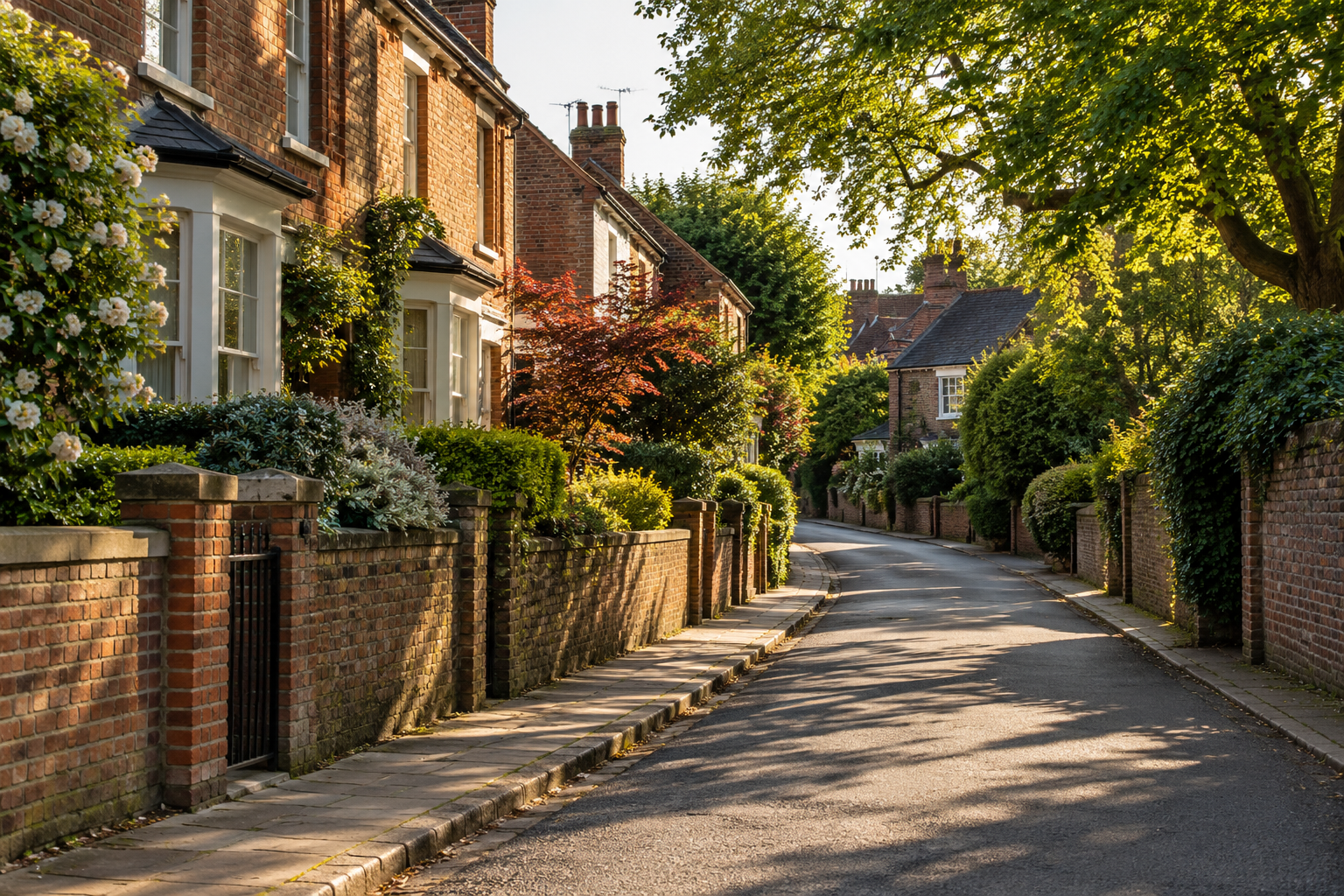
If you enjoy photographing familiar surroundings, a neighborhood walk with fresh eyes can supply future material without creating a special expedition. You might notice the same gate across several months or collect ordinary circular shapes. Continue taking pictures because something interests you, rather than because the album needs constant maintenance.
Give the finished collection a plain title and a date range if useful. Then let it be finished. There may be another version later, but you do not have to keep expanding this one until it resembles the archive you started with. A small group of chosen photographs has its own completeness. Its limits are what make it possible to see.